Unveiling the myths surrounding luck in gambling
September 1, 2026
The Illusion of Luck
Luck is often romanticized in the realm of gambling, creating an alluring narrative that draws players into the game. Many believe that luck is a mystical force that can be harnessed or influenced, leading to victories at tables and slots. However, this notion oversimplifies the reality of gambling, where outcomes are typically determined by mathematical probabilities and randomness rather than sheer fortune. For those interested in understanding the odds, incorporating resources like nrl betting odds can provide insights and help inform their strategies. The illusion of luck can lead gamblers to make irrational decisions, hoping that just one more roll or spin will yield a winning streak.
Moreover, the belief in luck can create a psychological bias known as the “gambler’s fallacy,” where players think that past outcomes affect future results. For instance, if a roulette wheel lands on red for several spins, a player may feel that black is “due” to come up next. This misconception can result in ill-informed betting strategies, which can ultimately be detrimental to one’s bankroll. Understanding that each spin or card is an independent event is crucial for making informed gambling choices.
It’s essential for gamblers to recognize that luck is not a controllable factor in gambling. While some may argue that rituals and superstitions can influence their luck, statistical evidence shows that these practices do not change the odds of winning. Instead, responsible gambling should focus on strategy and knowledge of games rather than relying on luck as a crutch. By debunking the myth of luck, players can adopt a more rational approach to gambling that emphasizes skill, strategy, and understanding instead of chance alone.
The Role of Skill in Gambling
Contrary to popular belief, skill plays a significant role in various gambling games, contradicting the notion that success is solely based on luck. Games like poker and blackjack require a deep understanding of strategy, probabilities, and human psychology. Skilled players can make calculated decisions based on the cards in play and the actions of their opponents, significantly influencing their potential outcomes. This skill-based approach challenges the common narrative that gambling is merely a game of chance.
In poker, for example, a seasoned player can deduce when to bet, fold, or bluff based on the strength of their hand and the tendencies of their opponents. The ability to read other players and adapt strategies accordingly can lead to a greater likelihood of winning compared to casual players who rely heavily on luck. This highlights the importance of honing one’s skills and understanding game dynamics, rather than succumbing to the myth that luck is the primary factor in winning.

Furthermore, skill-based gambling can also lead to more sustainable long-term success. Players who consistently apply strategies and improve their gameplay are more likely to manage their bankroll effectively and enjoy extended playtime. In this way, recognizing the significance of skill over mere luck can contribute to a more rewarding gambling experience and minimize the risks associated with reckless betting behavior.
Randomness and Probability in Gambling
Gambling outcomes are fundamentally rooted in randomness and probability, concepts often misunderstood by many players. Understanding these mathematical principles is crucial for anyone engaging in gambling, as it lays the groundwork for realistic expectations and informed decision-making. For instance, slot machines operate on Random Number Generators (RNGs), ensuring that each spin is entirely independent and unpredictable, which defies the idea that players can influence the outcome through luck.
In games like blackjack, probability dictates the likelihood of drawing specific cards, and skilled players use this knowledge to make strategic decisions. For instance, the odds of being dealt a natural blackjack are about 4.8%, and players can use this information to shape their gameplay. A grasp of these figures allows players to approach their choices more analytically, realizing that while luck may play a role, informed strategies based on probability yield better results over time.
Additionally, casinos create games with built-in house edges, a concept that further demonstrates the importance of understanding randomness. Every game is designed to ensure that the house retains an advantage, meaning that long-term success is unlikely without considerable effort and strategy. By acknowledging the role of probability in gambling, players can develop a more realistic attitude towards wins and losses, ultimately enhancing their overall experience and minimizing the emotional rollercoaster often associated with gambling.
The Psychological Impact of Belief in Luck
The belief in luck can have profound psychological effects on gamblers, influencing their behavior and decision-making processes. This faith in luck often leads to an emotional investment in gambling, where players become attached to specific numbers, symbols, or strategies they believe will bring them fortune. This attachment can cloud judgment, causing players to chase losses or make overly risky bets, driven by hope rather than rationality.
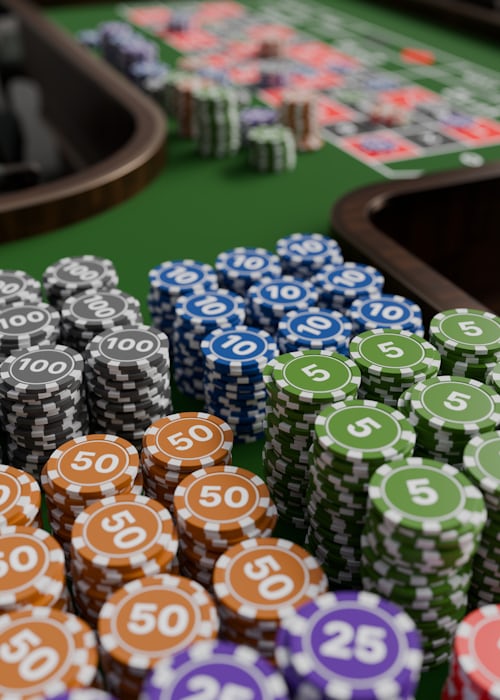
Moreover, gambling environments often enhance this psychological dependence on luck. Vibrant lights, sounds, and the excitement of winning can create an adrenaline rush that reinforces the belief that luck is in the air. This atmosphere may lead players to overlook critical game mechanics and probabilities, as their focus shifts to the thrill of the moment rather than the reality of their situation. Recognizing these impulses is vital for maintaining a healthy relationship with gambling.
Ultimately, the psychological impact of believing in luck can be detrimental to responsible gambling practices. It can lead to a cycle of unrealistic expectations and disappointment, particularly when luck does not favor the player. A more balanced perspective that considers skill, probability, and personal responsibility can help mitigate these effects, encouraging gamblers to approach their experience with a clearer mindset and healthier habits.
Understanding Responsible Gambling
In light of the myriad myths surrounding luck in gambling, promoting responsible gambling practices becomes essential. Understanding that luck is not a reliable predictor of success can help players make more informed choices about how and when to engage in gambling activities. Responsible gambling means setting limits on time and money spent, recognizing personal triggers, and being aware of the psychological factors that can influence behavior.
Education plays a crucial role in fostering responsible gambling. Many organizations and websites dedicated to gambling offer resources aimed at informing players about game mechanics, odds, and the importance of self-regulation. By arming themselves with knowledge, gamblers can approach their experience with a more realistic mindset, reducing the reliance on luck alone and embracing strategies that prioritize skill and probability.
Additionally, recognizing when gambling becomes problematic is vital. Resources for support and guidance can help individuals navigate the complexities of their relationship with gambling. By debunking the myths surrounding luck and focusing on responsible practices, players can enjoy the entertainment that gambling provides while minimizing risks and fostering a healthier mindset towards the activity.